Our Location

4901 NE 2nd St, Renton, WA 98059

Call Us

(425) 273-4313

Custom Deck Builders in Covington, WA: Engineered for the PNW Climate
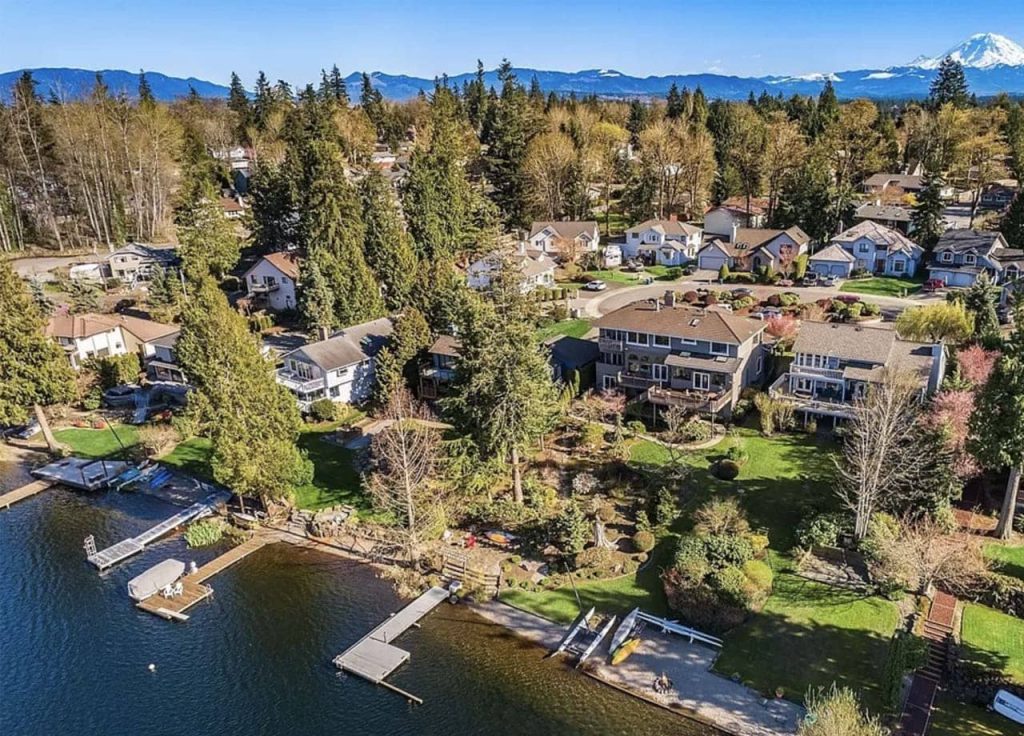
Honeycomb Deck Builders builds custom decks, composite deck replacements, pergolas, covered outdoor living structures, and structural deck repairs for homeowners in Covington, Washington and the Southern King County corridor.

The crew mobilizes from Honeycomb Construction LLC’s Renton Highlands base at 4901 NE 2nd St, Renton, WA 98059, reaching Covington via SR 169 and SR 18. That matters for homeowners in damp wooded pockets, older subdivisions, and late-1990s or early-2000s homes where cedar boards, pressure-treated framing, ledger boards, and stairs are reaching the end of their service life.

How does Southern Covington's microclimate cause deck rot?

Southern Covington sits in a moisture-heavy part of King County. Wooded greenbelts hold damp air, rain sits in shaded framing bays, and moss and algae form on boards that don’t dry quickly. Older cedar and pressure-treated decks absorb water through unsealed cuts, cracked stain, nail holes, and exposed end grain.

That creates a predictable failure path: moisture sits between deck boards and joist tops, joist crowns start to soften, fasteners loosen as wet wood swells and dries, ledger flashing fails or was never installed correctly, water reaches the rim joist behind the siding, stair stringers absorb splashback from grade, guard posts weaken at blocking points, and new surface boards get installed over rot instead of solving it.

A Covington deck needs to be built as a wet-service structure. Honeycomb plans around drainage, fastening, flashing, and substructure condition before recommending cedar, capped composite, or PVC-style surface boards.

Trust signals for Covington homeowners

  • Licensed Washington general contractor: HONEYC*801P9
  • WA L&I bonded: $30,000 general contractor surety bond requirement
  • Liability coverage: $250,000 combined single-limit insurance threshold
  • Local coverage: Covington, Kent, Renton, Maple Valley, and Southern King County
  • Permit-aware construction: attached decks, elevated decks, covered structures, hot-tub loads, and envelope connections reviewed before build

Why do older timber decks fail faster in Covington?

Late-1990s and early-2000s decks were often built with pressure-treated lumber and cedar or softwood decking. Some held up for years, but age combined with wet exposure changes the structure. Common findings include joist decay under board gaps, rotten ledger boards, rusted hardware, unsealed saw cuts, soft railing attachment points, improper fasteners in treated lumber, poor ventilation below low decks, water stains below patio doors, and deck boards replaced without correcting the framing underneath.

How does WAC 51-11R affect an attached deck?

WAC 51-11R governs Washington's residential energy code, and it becomes relevant to deck work whenever the project touches the home's exterior envelope: ledger board installation, sliding glass door replacement, patio door conversion, exterior wall cuts, siding removal, flashing integration, insulation or air-barrier disturbance, or water-resistive barrier repair.

What deck services does Honeycomb offer in Covington?

Custom composite and timber decking

Honeycomb builds around site conditions rather than a template layout, with options that include cedar deck surfaces, capped composite decking, TimberTech and Trex-style systems, treated structural framing, code-compliant footings, custom railings, stair systems, picture-frame borders, low-maintenance surface upgrades, and joist protection details.

Structural deck repair and framing restoration

Not every Covington deck needs a full rebuild. Some need targeted structural repair, and Honeycomb can inspect and address decaying joists, rotted beams, ledger board defects, loose guardrail posts, unsafe stairs, soft landing areas, fastener corrosion, substructure reinforcement, deck board replacement, and rot removal before resurfacing. A repair should never cover hidden failure. New composite boards over rotted framing only hide the risk.

Pergolas, gazebos, and covered outdoor living

Pergolas and covered structures add shade, rain protection, and usable outdoor space, but they also add load and permitting complexity. Honeycomb reviews post locations, footing needs, roof or shade structure loads, wind exposure, drainage, attachment points, flashing, and the inspection path. A roofed deck or heavy structure isn't just a deck upgrade; it becomes a structural system that has to handle rain, wind, gravity loads, and long-term moisture movement.

Multi-trade integration

Because Honeycomb Construction LLC is registered as a general contractor, it can manage work that crosses trade boundaries, including low-voltage accent lighting, spa or hot-tub planning, exterior door work, siding repair, framing changes, exterior painting or staining, gutter-related drainage corrections, and specialty subcontractor coordination where required. Electrical, plumbing, and mechanical work may need separate specialty permits and inspections, and a general contractor structure keeps those steps organized under one project lead.

What compliance protections apply to Covington homeowners?
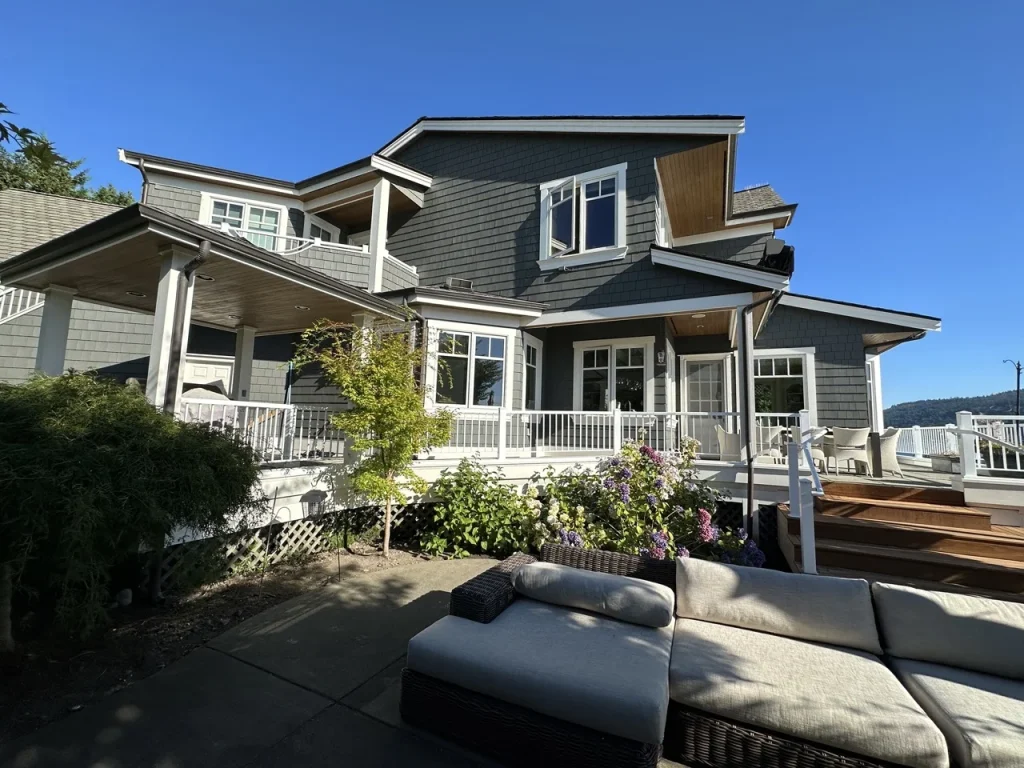
Washington requires contractors to register through L&I, carry a bond, maintain liability insurance, and follow disclosure rules, protections designed to cover the homeowner if work is abandoned, improperly performed, or financially disputed.

Honeycomb Construction LLC operates under WA L&I registration HONEYC*801P9 as a general contractor entity, with a $30,000 general contractor surety bond and a $250,000 combined single limit (or $200,000 public liability plus $50,000 property damage). RCW 18.27.114 applies its residential disclosure requirement to jobs over $1,000.

When does a Covington deck need a permit?

Under King County and Covington municipal building code logic, permits become relevant when deck work affects structure, attachment, height, roof loads, or heavy loads. Plan for permit review if the deck is attached to the primary residence, more than 30 inches above adjacent grade, supporting a roof, pergola, gazebo, or covered structure, supporting heavy loads like a hot tub, altering stairs or landings or required access, or changing the structure rather than just replacing surface boards.

Permits protect more than the city. They protect resale value, insurance review, inspection records, and future remodeling, and unpermitted structural work can get expensive fast when a homeowner tries to sell, refinance, insure, or repair the property later.

Why does general contractor status matter for a deck project?

Some deck builders only handle boards, rails, and basic framing, which works fine for simple projects but breaks down when the deck exposes problems inside the house connection. A Covington deck replacement can uncover a rotted rim joist, damaged siding, a soft subfloor near patio doors, failed flashing, poor drainage from rooflines, loose stair framing, weak railing blocking, or unpermitted past work.

Honeycomb’s general contractor structure allows broader project control: if the deck work touches siding, exterior doors, framing, flashing, or specialty trade coordination, the homeowner doesn’t have to manage several separate companies alone. That’s the difference between a deck installer and a contractor responsible for the full construction path.

Frequently asked questions

Possibly. If the work is attached to the home, more than 30 inches above grade, roofed, tied to a hot tub, or involves structural framing replacement, permit review may apply. A surface-only board replacement may be simpler if the frame stays unchanged and structurally sound, but an on-site inspection is the safest way to confirm exemption status before assuming.
Wooded greenbelts, shade, rain, and high humidity slow drying, so water collects on joist tops, around ledger boards, under stair stringers, and inside unsealed end cuts. Wood absorbs water, swells, dries, shrinks, and repeats the cycle, and over time that movement opens cracks, loosens fasteners, and creates rot pockets. Composite surfaces reduce maintenance, but the frame still needs drainage, flashing, and rot-resistant detailing.
WAC 51-11R matters when deck work alters the home’s thermal or moisture envelope. Ledger boards, sliding doors, siding cuts, and flashing details can affect air barriers, insulation continuity, and water control, and an attached deck shouldn’t create a leak path or weaken the home’s exterior wall assembly.
Search Washington L&I for HONEYC*801P9 under Honeycomb Construction LLC to confirm the registration status, contractor type, bond, insurance, expiration date, and legal business name before signing. The contract should match the registered entity.

Scheduling a Covington deck assessment

A Covington deck should get inspected before seasonal moisture worsens hidden rot. Honeycomb Deck Builders can review the frame, check the ledger, assess stairs and railings, compare cedar and composite options, identify permit triggers, and prepare an itemized estimate for repair, resurfacing, or full rebuild.

Call (425) 273-4313 to schedule an on-site structural assessment in Covington, WA.
Scroll to Top